
The Art Deco Historic District is a breathtaking area in Miami, Florida. The unique Art Deco buildings that dot this area date back to the 1920s and 1930s. A visit to the neighborhood is a must for everybody interested in culture, history, or architecture. It is a prime example of the Art Deco movement. This popular design style flourished following World War I. The district contains nearly 800 historic buildings, each with its distinct style and personality. The geometric shapes, vibrant colors, and elaborate designs of the structures are a monument to the inventiveness and imagination of the time’s architects and designers.
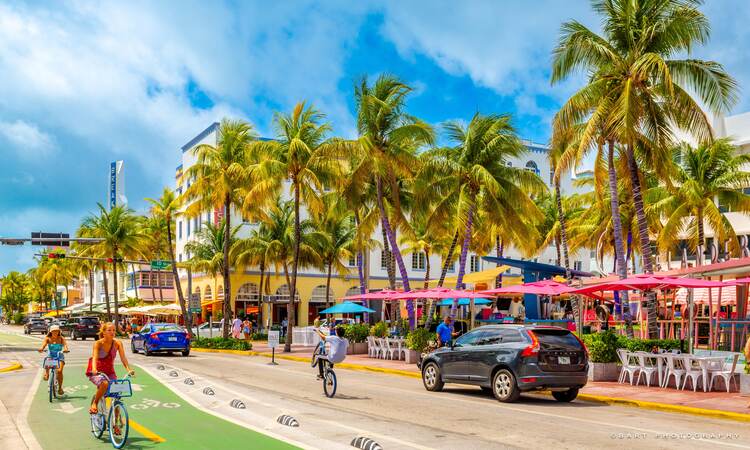
Address: 601 Florida A1A, Miami Beach, FL 33139, United States
Aside from its spectacular architecture, the Art Deco Historic District has a thriving cultural environment. The district is famous among locals and tourists due to its abundance of art galleries, museums, theaters, and restaurants. Any history buff, architecture aficionado, or culture vulture should visit the Art Deco Historic District. Everyone, from locals to tourists, may find something they like in this vibrant and exciting neighborhood.
The Background
About 800 buildings constructed between the 1920s and 1940s make Miami, Florida’s Art Deco Historic District a unique and vibrant neighborhood. The area has grown in popularity since its 1979 listing on the National Register of Historic Places, and it is now a major draw for visitors visiting Miami. The Art Deco style arose in the 1920s and 1930s as a reaction against the extravagant and intricate designs of the Victorian and Art Nouveau periods. The streamlined and geometric designs, vivid colors, and use of chrome, glass, and terrazzo were hallmarks of Art Deco.
During the peak of the Art Deco era, many of the buildings that make up the Art Deco Historic District were constructed. The district has various structures, including hotels, flats, restaurants, and commercial constructions. The designs vary in complexity and ornateness, from simple and streamlined to detailed and ornate.
The Colony Hotel, erected in 1935, is one of the district’s most recognizable structures. The hotel has a curving façade, porthole windows, and a neon sign that reads “Colony.” The Carlyle Hotel, erected in 1941, is another famous structure. The hotel has a zigzag façade, rounded angles, and a neon sign spelling “Carlyle.”
The Art Deco Historic District is an essential cultural landmark in addition to its architectural value. The Wolfsonian-FIU Museum, which offers exhibits on art, design, and propaganda from 1885 to 1945, is located in the neighborhood.Miami’s Art Deco Historic District is a distinct and significant element of American architectural and cultural history. Its architecture and designs continue to inspire and enchant visitors from all over the world.
The Most Important Factors
The Miami Art Deco Historic District is a must-see for anybody interested in the city’s rich cultural legacy. The region is noted for its spectacular architecture, active nightlife, and lovely beaches. It is located in Miami Beach’s South Beach neighborhood. The architecture is one of the most notable features of the Art Deco Historic District. Over 800 historic structures, many built in the 1920s and 1930s, may be found in the district. The buildings in the district are designed in the Art Deco style, distinguished by bold geometric shapes, brilliant colors, and elaborate detailing. Other architectural styles seen in the district include Mediterranean Revival and Streamline Moderne.
The nightlife is another highlight of the Art Deco Historic District. The region is well-known for its numerous bars, restaurants, and nightclubs, which provide a wide range of entertainment alternatives. Among other things, visitors can enjoy live music, dancing clubs, and rooftop bars. Many art galleries and theaters are also in the district, highlighting the city’s thriving arts culture.
Beaches in the Art Deco Historic District are also a must-see. The region is located on the Atlantic Ocean and has several lovely beaches. The beaches are also home to many beachside restaurants and bars with breathtaking ocean views.
Overall, everyone interested in Miami’s rich cultural legacy should pay a visit to the Art Deco Historic District. The district is one of the city’s most famous tourist sites due to its unique blend of history, architecture, nightlife, and natural beauty. The Art Deco Historic District provides something for everyone, whether searching for a night on the town or a relaxing day at the beach.
Uplift urges by unveiling the best things to do in Miami, FL.
When Is the Best Time to Go?
The Miami Beach district contains around 800 art deco buildings from the 1920s and 1930s. Bold geometric designs, neon lights, pastel colors, and detailed detailing distinguish the architecture. It is a must-see for architectural and history fans alike. But when is the most fantastic time to explore Miami’s Art Deco Historic District?
The Art Deco Historic District is best visited between December and April. This is Miami’s prime tourist season, and the weather is often sunny and dry. The temperature swings from the mid-60s to the mid-80s Fahrenheit, making it ideal for walking around the city. The streets are also busier during this time, with numerous events, festivals, and concerts, including the well-known Miami Beach Art Deco Weekend in January.
Consider visiting between May and November if you want to avoid the crowds. This is Miami’s low season; the weather is usually hot and humid, with occasional thunderstorms. The streets and beaches are less busy, allowing you to explore the district quickly. You can also take advantage of decreased hotel and restaurant pricing during this time.
It’s usually a good idea to check the weather forecast before leaving, regardless of when you visit. Strolling around the district on foot requires sturdy shoes and enough water to quench your thirst. Be sure to have your camera on hand because there are photo ops around every corner. The weather is lovely, and a lot is going on. If you’re looking for a more tranquil vacation, May through November tend to have fewer tourists and cheaper pricing.
The Guidelines
It is one of the city’s most recognizable and historic landmarks. Between 1923 and 1943, around 800 structures were constructed in the Art Deco style in the neighborhood. It is limited to the east by the Atlantic Ocean, north by Collins Canal, south by Sixth Street, and west by Lenox Avenue.
1979, the district was included in the National Register of Historic Places, and 1989, it was named a National Historic Landmark. As a result, solid restrictions and regulations are in place to ensure that the district’s buildings are protected and maintained in their original Art Deco form.
Preserving building facades is one of the most essential regulations in the Art Deco Historic District. The façade of the buildings are regarded as the district’s most basic feature, and the Miami Beach Historic Preservation Board must approve any additions or adjustments to them. This includes alterations to the façade’s materials, colors, and design.
Another crucial criterion is to keep the original windows and doors. Because the buildings’ windows and doors are deemed necessary to the Art Deco style, the Preservation Board must approve any replacement windows or doors. Any changes to the window or door openings must be supported as well.
Signage and lights are also prohibited in the Art Deco Historic District. Signage must adhere to the Art Deco style and be approved by the Preservation Board. Similarly, any outside lighting must be permitted and designed to complement the original illumination of the building.
The Art Deco Historic District in Miami, Florida, is a significant landmark subject to stringent restrictions and regulations. These guidelines ensure that the unique Art Deco style of the district is preserved for future generations to enjoy.
FAQs About The Art Deco Historic District In Miami
1.) What exactly is Miami’s Art Deco Historic District?
It is well-known for its pastel-colored Art Deco structures from the 1920s and 1930s.
2.) When was the Art Deco Historic District established as such?
1979 the Art Deco Historic District was added to the National Register of Historic Places.
3.) What relevance does the Art Deco architectural style have?
From the 1920s until the 1940s, the Art Deco style was a popular design movement. Its clean lines, geometric shapes, and vibrant colors distinguish it.
4.) How many structures are there in the Art Deco Historic District?
There are over 800 buildings in the Art Deco Historic District, including hotels, flats, and commercial structures.
5.) How should visitors enjoy the Art Deco Historic District?
A guided walking tour is the best way to discover the Art Deco Historic District. Several firms provide tours that emphasize the neighborhood’s unique architecture and history.
6.) Are there any notable structures in the Art Deco Historic District?
Yes, the Art Deco Historic District contains well-known structures, including the Colony Hotel, the Cardozo Hotel, and the Carlyle Hotel.
7.) Is it possible to go inside the Art Deco buildings?
Anyone can tour the many hotels, restaurants, and businesses in the Art Deco Historic District. But some buildings are private residences and so off-limits to the general public.
8.) When should you go to the Art Deco Historic District?
It is a popular year-round destination. However, the best time to visit is in the winter when the weather is pleasant, and there are fewer tourists.